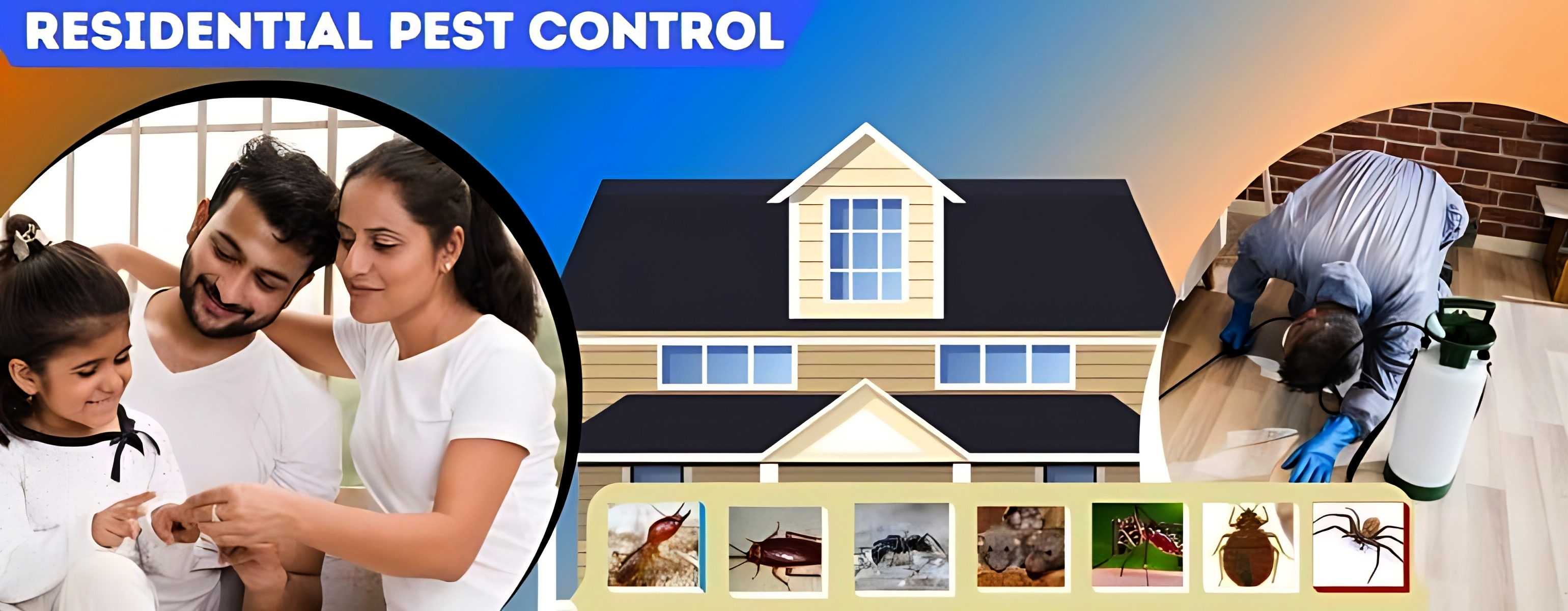
Living in Bhubaneswar, Cuttack, Puri, and surrounding coastal districts of Odisha brings immense cultural richness and lush tropical landscapes. However, our warm temperatures, high atmospheric humidity (averaging 75% to 90% in monsoon months), and rapid urban residential expansion create the perfect ecological haven for household insect pests and disease vectors.
An uncontrolled pest infestation is far more than a visual annoyance. Pests hollow out expensive teakwood structures, contaminate kitchen food stores with virulent pathogens like Salmonella and E. coli, chew through electrical conduit insulation causing fatal short-circuits, and transmit life-threatening vector-borne diseases including Dengue and Malaria.
In this comprehensive, research-backed manual compiled by the certified entomologists at Anusaya Pest Control, you will discover the biology, behavior, early detection indicators, DIY sanitization protocols, and professional eradication strategies for the top 10 household pests in Odisha.
- 1. Subterranean Termites (Deemak)
- 2. German & American Cockroaches
- 3. Mosquito Vectors (Dengue/Malaria)
- 4. Rodents (Rats & Mice)
- 5. Bed Bugs (Khatmal)
- 6. Sugar & Carpenter Ants
- 7. House Flies & Drain Flies
- 8. Fleas & Ticks (Pet Parasites)
- 9. Silverfish & Booklice
- 10. Spiders & Creepers
- 11. Odisha Seasonal Pest Calendar
- 12. DIY vs Professional Pest Control
- 13. In-Depth FAQ Section
Subterranean Termites (Deemak / White Ants)
Subterranean termites (predominantly Coptotermes heimi and Odontotermes obesus in eastern India) are responsible for over 85% of structural timber damages in Odisha. Living in massive underground colonies containing up to 2 million workers, termites consume cellulose from wood, plywood, drywall paper, and cotton archives.
- Mud Shelter Tubes: Earthen pencil-thick brown tunnels climbing up foundation plinths, brick walls, and concrete columns.
- Swarming Alates: Winged reproductive termites emerging en masse on humid pre-monsoon evenings around bright indoor lamps.
- Hollow Wood Acoustics: Tapping wooden door frames, wardrobe bottoms, or skirting boards yields an empty, papery sound.
- Sticking Doors & Windows: Internal moisture pumped into wood by active termites causes timber expansion and jamming.
German & American Cockroaches
The German Cockroach (Blattella germanica) is the most notorious indoor pest in urban Bhubaneswar apartments. A single pregnant female carries an egg capsule (ootheca) containing 30 to 48 nymphs, producing up to 10,000 descendants within one calendar year. Cockroaches harbor in dark crevices behind microwave ovens, gas pipe cuts, and under sinks.
As nocturnal foragers, roaches walk across sewage conduits and crawl over exposed dinner plates, spreading pathogens causing typhoid, dysentery, and food poisoning. Cockroach frass and discarded cast skins release potent airborne allergens that trigger severe childhood asthma attacks.
Mosquitoes (Aedes, Anopheles & Culex)
Odisha's coastal belt experiences seasonal spikes in Dengue fever, Malaria, and Chikungunya. The day-biting Aedes aegypti (tiger mosquito) breeds in clean, stagnant freshwater collections as small as a bottle cap, while Culex mosquitoes proliferate in stagnant drains and septic tanks.
Rodents (Norway Rats, Roof Rats & House Mice)
Rodents possess continuously growing front incisors, requiring them to constantly gnaw on hard materials. In residential and commercial buildings, rats chew through electrical cables inside false ceilings, fiber-optic internet wiring, and PVC water pipes, causing catastrophic structural fires and flooding.
- Droppings: Spindle-shaped dark pellets (6mm to 12mm) concentrated along baseboards, behind appliances, and inside pantries.
- Grease Rub Marks: Dark oily smudges left along wall corners where rodent fur brushes against surfaces during nocturnal travel.
- Scratching Noises: Nighttime scurrying and squeaking sounds inside false ceilings and drywall partitions.
Bed Bugs (Khatmal / Cimex lectularius)
Bed bugs are flat, oval, wingless parasitic insects that feed exclusively on human blood while victims sleep. They hide in microscopic gaps within mattress tufts, wooden headboards, bedside electrical switch plates, and sofa seams.
- Clusters of itchy, red bite marks in a linear "breakfast, lunch, and dinner" pattern on arms, neck, and back.
- Rust-colored blood smears on bedsheets and pillowcases from accidentally crushed bugs during sleep.
- Tiny dark fecal specks (like ground black pepper) embedded along mattress piping and seams.
Ants (Sugar Ants, Pharaoh Ants & Carpenter Ants)
Ants travel in disciplined lines guided by invisible chemical pheromone trails. While tiny black sugar ants contaminate sugary pantry goods, large black carpenter ants (Camponotus) excavate extensive smooth galleries inside moist wall framing and wooden beams to raise their brood, causing structural weaknesses similar to termites.
House Flies & Drain Flies (Psychodidae)
House flies cannot chew solid food; instead, they regurgitate digestive enzymes onto food items and sponge up the liquefied nutrients, depositing over 60 disease-causing organisms including cholera, tuberculosis, and rotavirus. In bathrooms and kitchens, moth-like drain flies breed in decaying organic gelatinous slime lining drain pipes.
Fleas & Ticks (Pet Parasites)
Homes with dogs and cats frequently encounter flea (Ctenocephalides) and brown dog tick (Rhipicephalus sanguineus) infestations. Ticks transmit severe bacterial infections such as Lyme disease, Ehrlichiosis, and tick paralysis, while flea bites cause severe Flea Allergy Dermatitis (FAD) and transmit tapeworm parasites to domestic pets. Read our dedicated guide on why you should be concerned about fleas and ticks in your home.
Silverfish & Booklice
Silverfish are silvery, tear-shaped, nocturnal insects that thrive in dark spaces where relative humidity exceeds 75%. They feed on starch and carbohydrates, chewing jagged holes in book bindings, legal document archives, wallpaper glue, rayon curtains, and stored silk garments.
Spiders & Creeping Insects
While most local spider species in Odisha are beneficial predators feeding on mosquitoes and small flies, excessive cobweb buildup in ceiling corners, balconies, and storage garages gives homes an unhygienic, neglected appearance. Certain species like cellar spiders and wolf spiders can deliver painful, irritating bites when trapped in clothing or bedsheets.
📅 Odisha Seasonal Pest Calendar & Vulnerability Chart
Pest behavior in Bhubaneswar follows distinct seasonal climatic cycles. Understanding when specific pests peak allows homeowners to implement preemptive defense barriers:
| Season & Months | High-Risk Pests | Environmental Drivers | Recommended Treatment |
|---|---|---|---|
| Summer (Mar – Jun) | Termites, Sugar Ants, Cockroaches, Flies | High temperatures force pests indoors seeking moisture and cooling. | Pre-Summer Barrier & Gel Baiting |
| Monsoon (Jul – Sep) | Mosquitoes, Subterranean Termites, Drain Flies, Rodents | Heavy rains saturate soil; standing puddles accelerate breeding. | Thermal Fogging & Waterproofing Sealing |
| Post-Monsoon (Oct – Nov) | Damp Wood Borers, Bed Bugs, Spiders | Residual humidity in concrete slabs and woodwork; festive travel. | Complete Home Sanitation & Steaming |
| Winter (Dec – Feb) | Rats, Mice, Silverfish, Cockroaches | Rodents seek heated indoor crawlspaces and ceiling voids. | Rodent Bait Stations & Exclusion Sealing |
⚖️ DIY Home Remedies vs Professional Pest Extermination
Homeowners often spend considerable amounts on supermarket sprays, chalks, and aerosol repellents before calling an exterminator. Here is an honest, scientific comparison:
| Evaluation Parameter | DIY Store Sprays & Home Remedies | Anusaya Professional Pest Management |
|---|---|---|
| Target Mechanism | Repellent contact spray; kills only 5% visible foragers. | Non-repellent transfer chemistry; eliminates breeding queen & whole nest. |
| Indoor Air Quality & Odor | Pungent chemical fumes; irritating for respiratory patients. | 100% odorless, water-based synthetic pyrethroids and herbal gels. |
| Duration of Protection | Few days; pests return as soon as scent dissipates. | Residual chemical barrier active for months to 5 years (termites). |
| Risk of Pest Resistance | High; low-dose consumer aerosols cause super-bug tolerance. | Zero; alternating active ingredients with synergistic mode of action. |
| Cost Effectiveness | High recurring expense with zero warranty. | One-time investment backed by written warranty & free recall visits. |
❓ Frequently Asked Questions (FAQ)
Get A Free On-Site Pest Inspection in Bhubaneswar
Protect your family and property today with government-certified, eco-friendly, and odorless pest management solutions from Anusaya Pest Control.